Cold therapy has taken over the wellness world. Ice baths, cold plunges, cryo chambers — everywhere you look, someone is dunking themselves in something freezing and claiming it changed their life. The trend is real, and so is the science behind it. But cold plunge and whole body cryotherapy are not the same thing, and choosing the wrong one means you may not be getting the results you’re after.
This is the full breakdown — no hype, just what actually happens in each modality and why it matters for your body.
What Is a Cold Plunge?
A cold plunge is immersion in cold water — typically between 39°F and 55°F — for anywhere from 2 to 15 minutes. The water conducts cold through your skin at a steady, consistent rate. Your heart rate drops, your breathing slows, and your body begins pulling blood toward your core to protect your organs.
Cold water immersion has a long history in athletic recovery, particularly in endurance sports. It works, and the research backs it up. The primary mechanisms are vasoconstriction (blood vessels tighten, reducing inflammation) and a shift toward parasympathetic nervous system dominance — the calm, rest-and-repair state.
The downside: it takes time to reach the target temperature, it requires maintenance, and the experience itself is genuinely unpleasant for most people. A 10-minute ice bath is a psychological and physical challenge. That’s part of the appeal for some. For others, it’s a barrier that prevents consistent use.
What Is Whole Body Cryotherapy?
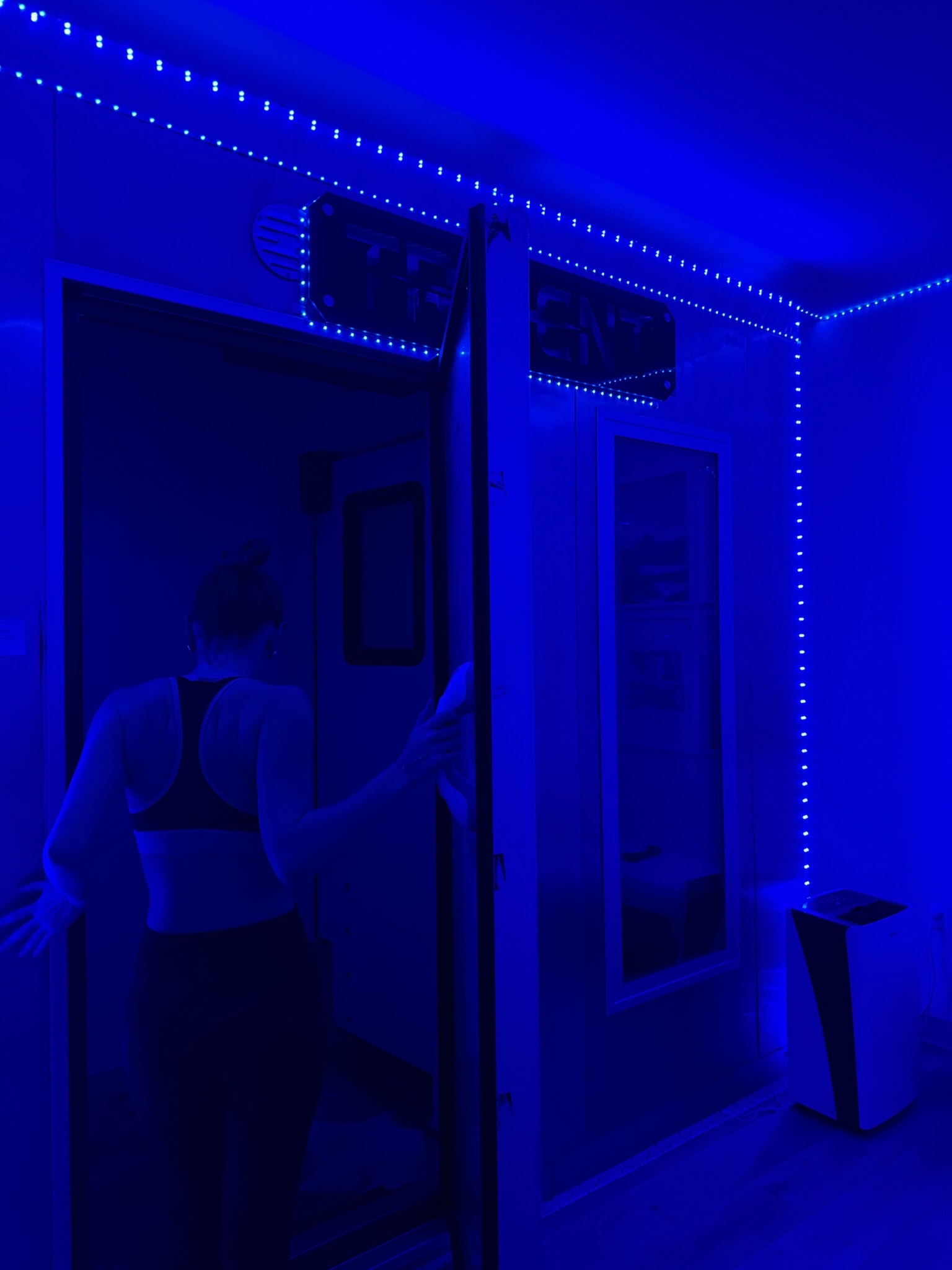
Whole body cryotherapy uses extremely cold air — not water — to trigger the same cold-exposure response in a fraction of the time. At NOLA Chill, our Trident electric cryo chamber reaches -110°F. Sessions run 2 to 3 minutes. You walk out in under 30 minutes total.
The temperature difference is striking — -110°F versus 45°F sounds worlds apart — but air conducts cold far less efficiently than water. What matters physiologically is how your body responds, not the absolute temperature. And the response to cryotherapy is fast and measurable: norepinephrine levels can spike up to 300% within minutes of entering the chamber, driving the anti-inflammatory and mood-elevating effects that cryo is known for.
One critical difference at NOLA Chill: our Trident chamber surrounds your entire body including your head. Most older nitrogen chambers leave your head above the cold. Full-body immersion — including the head and neck — activates the vagus nerve and engages the high density of thermoreceptors on your face and scalp, producing a significantly stronger neurological response. This is the difference between a chamber that targets your legs and one that resets your entire nervous system.
The Key Differences Side by Side
Temperature: Cold plunge runs 39–55°F. Cryotherapy reaches -110°F at NOLA Chill.
Duration: Cold plunge typically 5–15 minutes. Cryotherapy 2–3 minutes.
Mechanism: Water conducts cold slowly and steadily. Cold air drives a rapid, intense physiological response.
Head exposure: Cold plunge includes the head if you submerge. Our Trident chamber includes the head automatically — activating vagus nerve and neurological benefits most chambers miss.
Norepinephrine response: Both trigger it. Cryotherapy tends to produce a faster, sharper spike due to the intensity of the cold stimulus.
Post-session feel: Cold plunge often produces a longer lingering fatigue before the rebound. Cryo clients typically feel alert, energized, and clear-headed almost immediately.
Time commitment: Cold plunge 20–30 minutes including prep. Cryo under 30 minutes door to door.
Which One Is Actually Better?
The honest answer: both work, and the best one is the one you’ll actually do consistently.
If you’re looking for a longer, meditative cold exposure protocol and you enjoy the challenge of staying in cold water — a cold plunge is a legitimate tool. Many high-performing athletes use both.
If you want the most efficient, time-compressed cold therapy available — a 3-minute session that drives norepinephrine through the roof, reduces full-body inflammation, improves mood, and has you back at your desk in 30 minutes — whole body cryotherapy in an electric chamber is hard to beat. Especially one that includes your head.
For New Orleans athletes, professionals, and anyone managing a real schedule, cryotherapy wins on consistency. It’s repeatable, it’s fast, and the recovery from the session itself is immediate — not the hour-long rewarming process that follows a cold plunge.
Can You Do Both?
Yes — and some clients do. Cryo on training days for speed and efficiency. Cold plunge on rest days for longer, meditative cold exposure. The protocols complement each other.
At NOLA Chill, we offer whole body cryotherapy alongside infrared sauna, NormaTec compression therapy, and NuCalm — so you can stack modalities based on exactly what your body needs that day.
Ready to Try Cryotherapy in New Orleans?
NOLA Chill is located at 6045 Magazine Street in Uptown New Orleans, open 7 days a week. Monday through Friday 9am–7pm, Saturday 9am–4pm, Sunday 10am–3pm.
Ready to Try It?
See our pricing and packages or book your session at NOLA Chill today.